Understanding the dismay meaning is more than just knowing a dictionary definition it helps you read emotions correctly in conversations, social media posts, and even everyday chats.
In a world where tone can be lost in text, knowing what words like dismay convey can prevent misunderstandings and help you respond more thoughtfully.
Updated for 2026, this guide breaks down everything you need to know about dismay, from its meaning to real-life examples, so you can confidently use it in conversations.
What Does “Dismay Meaning” Mean? (Definition & Origin)
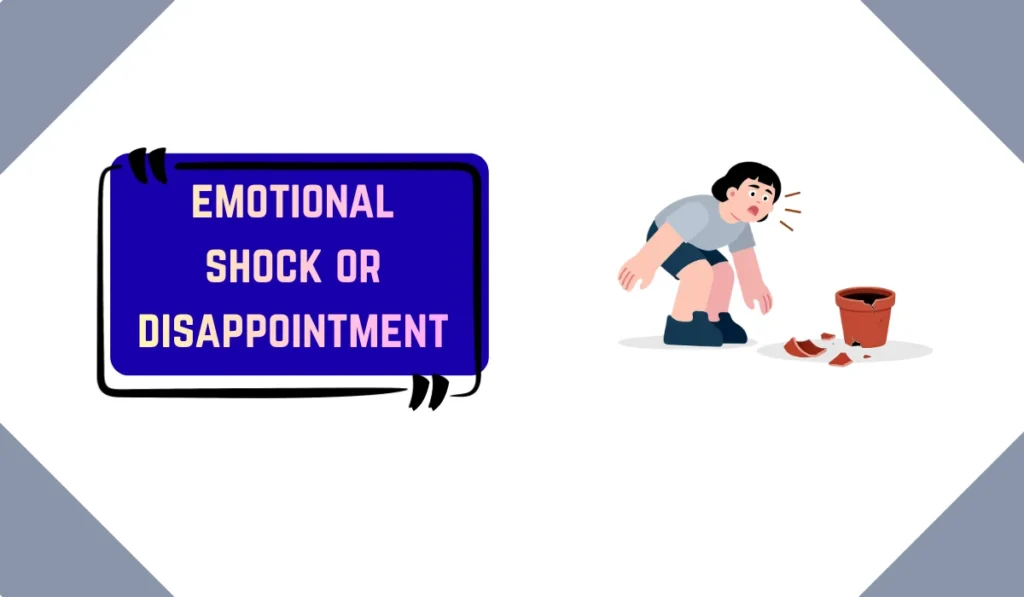
The word dismay refers to a feeling of shock, disappointment, or distress caused by something unexpected or unpleasant.
Simple Definition:
- Dismay = sudden sadness + shock + disappointment
Example:
- “She looked at the results in dismay.”
→ She was shocked and disappointed by the outcome.
Origin of the Word:
The word dismay comes from Old French esmaier, meaning to trouble or terrify. Over time, it evolved into English, keeping its emotional weight but becoming more commonly used in formal and expressive contexts.
Key Emotion Behind “Dismay”:
- Shock 😳
- Disappointment 😞
- Mild fear or concern 😟
- Emotional discomfort
👉 In modern usage, dismay is often used in:
- News reports
- Formal writing
- Emotional storytelling
- Sometimes in serious or dramatic texting
How to Use “Dismay” in Texts or Chat
While dismay meaning is more common in formal language, it does appear in texting—especially when someone wants to express strong feelings in a dramatic or expressive way.
When to Use “Dismay” in Chat:
- When something goes wrong unexpectedly
- When expressing disappointment
- When reacting to bad news
- When being slightly dramatic or humorous
Texting Style Example:
- “To my dismay, the WiFi died right before my upload 😩”
- “I checked the score… and to my dismay, we lost.”
- “He opened the gift… to his dismay, it was socks again 😂”
💡 Pro Tip:
Using dismay in casual texting can sound a bit formal or funny, depending on context. It can actually make your message feel more expressive or even sarcastic.
Examples of “Dismay” in Conversations
Here are some real-life inspired examples showing how dismay meaning plays out in different contexts:
1. Everyday Conversation
- “I had plans to go out, but it started raining—my dismay was real.”
- “She opened her results in dismay when she saw the grade.”
2. Social Media Context
- “To my dismay, the concert tickets sold out in 5 minutes 💀”
- “I refreshed the page in dismay… still buffering.”
3. Humorous / Relatable Use
- “Opened my fridge to find nothing but ketchup… dismay level 100.”
- “To my dismay, the ‘quick nap’ turned into a 4-hour sleep.”
4. Work / Academic Context
- “The project failed, much to the team’s dismay.”
- “Students waited in dismay as the exam time kept getting extended.”
👉 Notice how dismay is often used to highlight emotional reactions to unexpected outcomes—especially negative ones.
Common Mistakes or Misunderstandings
Understanding dismay meaning also involves avoiding common errors.
1. Confusing “Dismay” with “Disgust”
- ❌ Incorrect: “I feel dismay when I see bad food.”
- ✅ Better: “I feel disgust when I see bad food.”
👉 Dismay = emotional shock or disappointment
👉 Disgust = strong dislike or revulsion
2. Using It in Casual Small Talk Incorrectly
- Saying: “I feel dismay because my coffee is cold”
→ Sounds overly dramatic unless used humorously
💡 Tip: Use dismay when you want emphasis, not for everyday minor annoyances.
3. Misusing It as a Verb in Informal Contexts
- Correct: “He was filled with dismay.”
- Incorrect: “He dismayed the situation.”
👉 Dismay is usually used as a noun, sometimes a verb, but context matters.
4. Overusing It in Texting
If every message says “to my dismay,” it may sound repetitive or overly dramatic.
Related Slangs or Abbreviations
Although dismay meaning is a formal word, here are some modern slang expressions with similar emotional vibes:
Emotional Alternatives:
- “SMH” (Shaking My Head) → disappointment or disbelief
- “LOL” (sarcastic tone) → sometimes used to hide disappointment
- “Bruh” → informal reaction to disappointment
- “WTF” → shock or confusion
- “Oof” → mild emotional pain or sympathy
Examples:
- “Oof… that test result is rough.”
- “SMH, I can’t believe that happened.”
- “Bruh… this is a disaster.”
👉 These slang terms are more common in texting, while dismay adds a slightly more serious or dramatic tone.
How “Dismay” Fits into Modern (2026) Communication
Even in 2026, where slang dominates digital communication, words like dismay still play a role in:
- Professional communication
- Emotional storytelling
- Social media captions
- Thoughtful or dramatic messaging
👉 Why it still matters:
- Adds emotional depth
- Sounds more expressive than basic words
- Useful in SEO-rich writing (like blogs, articles, captions)
💡 Content creators often use words like dismay to:
- Improve emotional engagement
- Add variety to language
- Enhance storytelling quality
SEO Tip: Why This Keyword Matters
For SEO specialists and content creators, targeting “dismay meaning” helps capture search intent from users who:
- Want definitions
- Need usage examples
- Are learning English vocabulary
- Are writing essays or content
👉 Related keywords to include:
- dismay definition
- meaning of dismay
- what does dismay mean
- dismay examples
- dismay in a sentence
7–8 FAQs About Dismay Meaning
1. What is the simple meaning of dismay?
Dismay means feeling shocked, disappointed, or upset by something unexpected.
2. Is dismay a negative emotion?
Yes, it usually reflects negative emotions like disappointment or distress.
3. Can I use “dismay” in texting?
Yes, but it sounds formal. It’s often used for dramatic or humorous effect.
4. Is dismay the same as sadness?
Not exactly. Dismay includes shock or surprise along with sadness.
5. Can dismay be used as a verb?
Yes. Example: “The news dismayed everyone.”
6. What is a synonym for dismay?
Some synonyms include:
- shock
- disappointment
- alarm
- distress
7. How do I use dismay in a sentence?
Example: “To my dismay, the event was canceled at the last minute.”
8. Is dismay used in formal writing?
Yes, it is more common in formal or expressive writing than casual texting.
Conclusion
Understanding the dismay meaning helps you interpret emotional tone more accurately in both formal writing and casual conversations.
It’s a powerful word that expresses a mix of shock, disappointment, and emotional discomfort perfect for storytelling, professional writing, and even dramatic texting moments.
While it may not be the most common word in everyday chats, using dismay strategically can make your communication more expressive, engaging, and impactful.