If you recently searched for “heart ablation meaning”, chances are you came across the term after hearing it from a doctor, seeing it in a health forum, or spotting someone mention it online.
Unlike internet slang or texting abbreviations, heart ablation is actually a serious medical procedure related to heart rhythm problems.
Still, many people search the phrase casually in chats, Google searches, Reddit threads, TikTok comments, and online support groups because they want a quick, simple explanation without confusing medical jargon.
In this guide, you’ll learn:
- The real heart ablation meaning
- How it works
- Related medical and online terms
This article is Updated for 2026 and written in easy-to-understand language for everyday readers.
What Does Heart Ablation Mean?
Definition of Heart Ablation
Heart ablation is a medical procedure used to treat abnormal heart rhythms, also called arrhythmias.
Doctors use heat, cold, lasers, or radiofrequency energy to destroy tiny areas of heart tissue that are causing irregular electrical signals.
In simple terms:
Heart ablation “resets” or blocks faulty electrical pathways in the heart.
The procedure is often recommended when medications are not working well or when symptoms become disruptive.
Breaking Down the Term
Let’s simplify the phrase:
- Heart = the organ pumping blood
- Ablation = removal or destruction of tissue
So the literal heart ablation meaning is:
“Destroying small parts of heart tissue to correct irregular heartbeats.”
Why Do People Need Heart Ablation?
Heart ablation is commonly used to treat conditions where the heart beats:
- Too fast
- Too slow
- Irregularly
- Out of sync
Common Conditions Treated With Heart Ablation
Atrial Fibrillation (AFib)
One of the most common reasons for heart ablation.
Symptoms may include:
- Fluttering heartbeat
- Fatigue
- Dizziness
- Shortness of breath
Supraventricular Tachycardia (SVT)
A condition causing sudden rapid heartbeats.
Ventricular Tachycardia
A more serious rhythm disorder that may become dangerous if untreated.
Atrial Flutter
Another irregular heartbeat condition similar to AFib.
How Heart Ablation Works
Step-by-Step Explanation
Here’s a simple breakdown of the process.
1. Catheters Are Inserted
Thin flexible tubes called catheters are placed into blood vessels, usually through the groin.
2. Doctors Map Electrical Signals
Special technology tracks abnormal electrical activity inside the heart.
3. Problem Areas Are Destroyed
Doctors use:
- Radiofrequency heat
- Extreme cold (cryoablation)
- Laser energy
to destroy the tissue causing irregular signals.
4. Heart Rhythm Is Tested
Doctors check whether the abnormal rhythm has stopped.
Is Heart Ablation Surgery?
Technically, it’s usually considered a minimally invasive procedure, not open-heart surgery.
Most heart ablations:
- Do not require large incisions
- Use catheters instead of major surgery
- Have shorter recovery times
Many patients go home the same day or the next day.
Heart Ablation Meaning in Online Conversations
Although the phrase is medical, people frequently discuss heart ablation online in casual ways.
You may see conversations like:
- “My dad had heart ablation last week.”
- “Anyone here recovered from AFib ablation?”
- “Doctor says I may need cardiac ablation.”
The term appears often in:
- Reddit health communities
- Facebook support groups
- TikTok medical discussions
- YouTube health videos
- Patient forums
How to Use “Heart Ablation” Correctly
Correct Usage Examples
In a Medical Conversation
“The cardiologist recommended heart ablation for my irregular heartbeat.”
In Online Support Groups
“Recovery after heart ablation was easier than I expected.”
In Everyday Chat
“I was nervous before my heart ablation, but it went smoothly.”
Examples of Heart Ablation in Conversations
Example 1: Family Chat
Sarah: My uncle’s heartbeat was acting weird again.
Mike: Did the doctors find the cause?
Sarah: Yeah, they scheduled a heart ablation next month.
Example 2: Online Forum
User 1: Anyone here had AFib ablation?
User 2: Yes! My symptoms improved a lot after the procedure.
Example 3: Social Media Comment
“Heart ablation sounds scary, but modern procedures are surprisingly advanced.”
Common Mistakes or Misunderstandings
Many people misunderstand what heart ablation actually means.
Mistake #1: Thinking It Means Removing the Heart
Some people panic because “ablation” sounds extreme.
Reality:
- Doctors only target tiny tissue areas
- The heart itself is not removed
Mistake #2: Confusing It With a Heart Attack
A heart ablation is:
- A planned medical procedure
A heart attack is:
- An emergency caused by blocked blood flow
They are completely different.
Mistake #3: Assuming It Always Cures Heart Problems
Heart ablation helps many people, but:
- Some patients may need repeat procedures
- Medications may still be necessary
- Results vary by condition
Types of Heart Ablation
Radiofrequency Ablation
Uses heat energy.
This is one of the most common methods.
Cryoablation
Uses freezing temperatures instead of heat.
Some doctors prefer this method for certain conditions.
Surgical Ablation
Used in more complex cases, often during heart surgery.
What Recovery Is Like
Recovery varies depending on the patient and condition.
Typical Recovery Timeline
First 24 Hours
- Mild soreness
- Fatigue
- Monitoring by doctors
First Week
- Rest recommended
- Avoid heavy activity
After Several Weeks
- Many people return to normal routines
Risks of Heart Ablation
Like all medical procedures, heart ablation has risks.
Possible Risks Include
- Bleeding
- Infection
- Blood vessel damage
- Heart rhythm complications
- Rare stroke risk
However, serious complications are relatively uncommon when performed by experienced specialists.
Benefits of Heart Ablation
Many patients choose heart ablation because it may:
- Reduce symptoms
- Improve quality of life
- Lower reliance on medications
- Help restore normal heart rhythm
For some people, the improvement can feel life-changing.
Why “Heart Ablation Meaning” Became a Popular Search
Searches for heart ablation meaning increased in recent years because:
- More people discuss AFib online
- Health content exploded on TikTok and YouTube
- Celebrities and athletes have shared heart health stories
- Wearable devices like smartwatches detect irregular rhythms
People often Google the term immediately after:
- Seeing abnormal ECG results
- Visiting a cardiologist
- Hearing the phrase during a medical appointment
Related Medical Terms and Abbreviations
If you’re researching heart ablation, you may also encounter these related terms.
AFib
Short for:
- Atrial Fibrillation
A very common irregular heartbeat condition.
Cardiac Ablation
Another term for heart ablation.
Both phrases mean nearly the same thing.
EP Study
Short for:
- Electrophysiology Study
A test often done before ablation.
Arrhythmia
An abnormal heart rhythm.
Heart Ablation vs Pacemaker
People sometimes confuse these treatments.
Heart Ablation
- Destroys abnormal tissue
- Corrects faulty signals
Pacemaker
- A small device implanted in the chest
- Helps regulate heartbeat electronically
They solve different heart problems.
Is Heart Ablation Painful?
Most patients receive:
- Sedation
- Local anesthesia
- Sometimes general anesthesia
During the procedure, many people feel little or no pain.
Afterward, mild discomfort or soreness is common.
Real-Life Scenario: Why Someone Might Need It
Imagine this:
You’re walking upstairs and suddenly your heart races uncontrollably. It happens repeatedly for months. Medication helps temporarily, but symptoms return.
After testing, doctors discover abnormal electrical signals in your heart.
That’s when heart ablation may become an option.
For many patients, finally fixing the rhythm problem can feel incredibly relieving.
Common Questions People Ask Online
Here are some real search-style questions users ask in 2026:
- “Is heart ablation dangerous?”
- “Can AFib come back after ablation?”
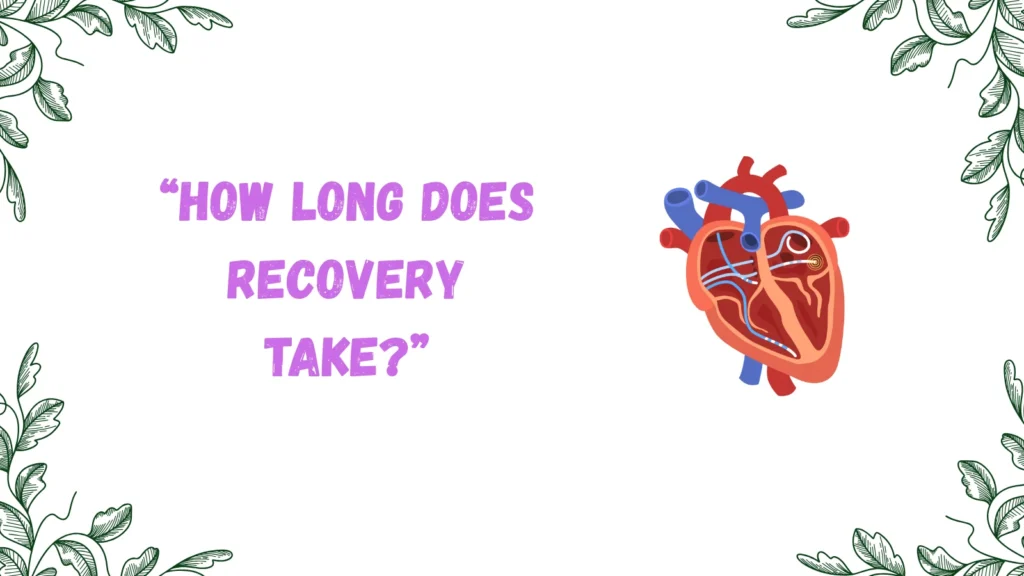
- “How long does recovery take?”
- “Do you stay awake during ablation?”
- “Is heart ablation worth it?”
This shows how much curiosity and anxiety surrounds the procedure.
Related Slang or Medical Search Terms
Although heart ablation itself is not slang, people often search related casual phrases like:
- “Heart reset procedure”
- “Fixing irregular heartbeat”
- “AFib surgery”
- “Cardiac rhythm treatment”
- “Heart rhythm fix”
These simplified phrases appear frequently in online discussions.
Internal Linking Suggestions for SEO
If you run a health or medical terminology blog, consider linking this article to:
- “What Does AFib Mean?”
- “Arrhythmia Meaning Explained”
- “Difference Between AFib and Atrial Flutter”
- “What Is a Pacemaker?”
- “Medical Terms People Misunderstand”
These related articles improve topical authority and SEO relevance.
FAQs About Heart Ablation Meaning
1. What does heart ablation mean?
Heart ablation is a medical procedure that destroys small areas of heart tissue causing abnormal heart rhythms.
2. Is heart ablation serious?
Yes, it is a serious medical procedure, but it is commonly performed and usually minimally invasive.
3. Why would someone need heart ablation?
Doctors recommend it to treat irregular heart rhythms like AFib, SVT, or atrial flutter.
4. Is heart ablation open-heart surgery?
Usually no. Most procedures use catheters and do not require opening the chest.
5. How long does heart ablation take?
Most procedures last between 2 to 4 hours depending on complexity.
6. Can heart ablation cure AFib?
It may significantly improve symptoms or stop AFib episodes, but results vary by patient.
7. Is recovery from heart ablation painful?
Most people experience mild soreness and fatigue rather than severe pain.
8. What is another name for heart ablation?
It is also called cardiac ablation or catheter ablation.
Conclusion
Understanding the heart ablation meaning is important because the term appears frequently in modern medical discussions, online forums, and health-related searches.
For many patients, the procedure offers relief from symptoms like rapid heartbeat, dizziness, and fatigue.
Updated for 2026, this guide was created to give you a clear, beginner-friendly explanation without complicated medical jargon.