Understanding words like “sedentary meaning” isn’t just for textbooks anymore it’s part of everyday digital conversations.
Whether you’re scrolling through fitness threads, reading health advice, or chatting with friends about lifestyle habits, this term pops up more than you’d expect.
In today’s fast-paced, screen-heavy world, knowing what sedentary means helps you decode conversations, improve your writing, and even stay health-aware.
This guide (updated for 2026) breaks it down in a simple, engaging way no jargon, no confusion just clear insights with real-world examples.
What Does “Sedentary” Mean? (Definition & Origin)
The sedentary meaning refers to a lifestyle or behavior that involves little to no physical activity. It’s often used to describe someone who spends long periods sitting or staying inactive.
Simple Definition:
- Sedentary = physically inactive
- Example: Sitting for long hours, minimal movement, desk-bound routines
Origin & Usage:
The word “sedentary” comes from the Latin word sedentarius, meaning “to sit.” Over time, it evolved into a term commonly used in:
- Health and fitness discussions
- Workplace lifestyle descriptions
- Medical and lifestyle research
Why It Matters Today:
With remote work, binge-watching, and endless scrolling, sedentary habits are more common than ever. Experts often warn that a sedentary lifestyle can lead to:
- Weight gain
- Poor posture
- Increased risk of heart disease
- Reduced energy levels
In short, the term isn’t just vocabulary—it’s a lifestyle warning label wrapped in one word.
How to Use “Sedentary” in Texts or Chat
Unlike slang abbreviations, sedentary is a formal word, but it still fits into modern conversations—especially in health, fitness, and lifestyle chats.
When to Use It:
- Talking about daily habits
- Discussing fitness goals
- Describing work or study routines
- Giving advice about health
Example Usage in Text:
- “My job is super sedentary—I sit for 9 hours straight.”
- “Trying to reduce my sedentary lifestyle and get more active.”
- “Too much sedentary time is affecting my energy.”
Pro Tip:
If you’re chatting casually, you might replace it with simpler phrases like:
- “I sit too much”
- “I’m not active enough”
But if you want to sound knowledgeable or professional, “sedentary” is the perfect word to flex your vocabulary muscles—ironically while talking about sitting too much.
Examples of “Sedentary” in Conversations
Let’s make it real. Here’s how sedentary appears in everyday chats:
1. Work Chat
A: “How’s your new job?”
B: “It’s pretty sedentary. I barely move from my desk.”
2. Fitness Discussion
A: “Why are you tired all the time?”
B: “Probably because of my sedentary routine.”
3. Social Media Post
“Reminder: A sedentary lifestyle is not the vibe your body signed up for. Move more, scroll less.”
4. Friendly Advice
“Bro, you need to break that sedentary cycle. Even a 10-minute walk helps.”
5. Casual Humor
“I’ve mastered the art of being sedentary… Olympic-level couch potato status achieved.”
These examples show how the term blends into both serious and light-hearted contexts.
Common Mistakes or Misunderstandings
Even simple words can get misused. Here are some common mix-ups:
1. Thinking It Means “Lazy”
- ❌ Wrong: Sedentary = lazy
- ✅ Correct: Sedentary = physically inactive
Someone can be highly productive but still have a sedentary routine (like working long hours at a computer).
2. Confusing It With “Relaxed”
- Relaxing = intentional rest
- Sedentary = prolonged inactivity
Relaxing is healthy in moderation, but being sedentary for too long is not.
3. Overusing It in Casual Chat
Using “sedentary” in every sentence can sound unnatural in casual texting. Use it where it fits best:
- Health discussions
- Fitness advice
- Professional writing
4. Ignoring Context
The word is often used in:
- Medical advice
- Fitness blogs
- Workplace health discussions
Using it in random contexts (like memes without context) may confuse readers.
Related Slangs or Abbreviations
While sedentary isn’t slang, it connects with modern lifestyle language. Here are some related terms you’ll see online:
Lifestyle & Activity Terms:
- Active lifestyle – Opposite of sedentary
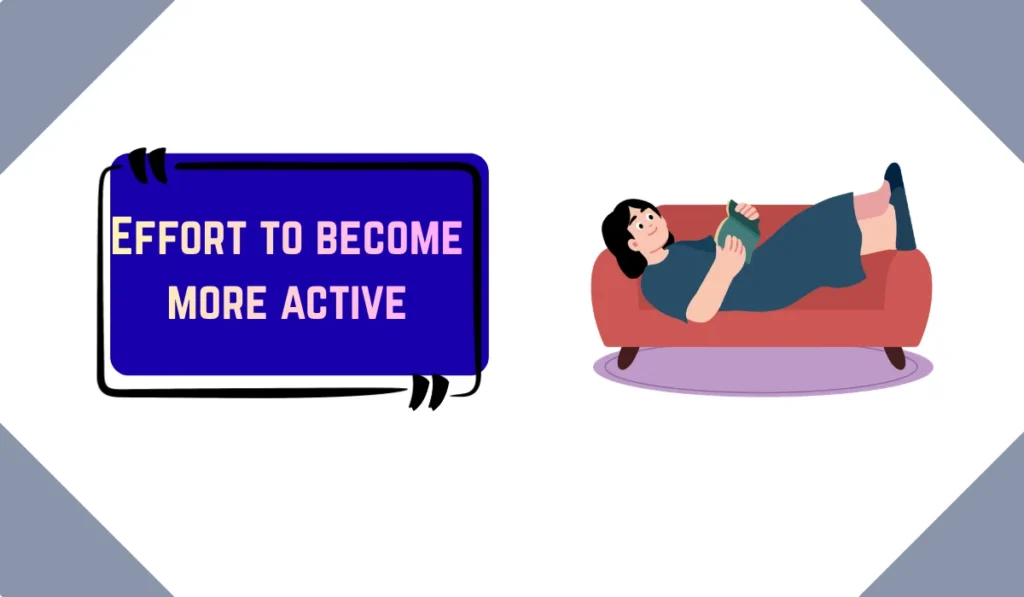
- Fitness journey – Effort to become more active
- Couch potato – Someone who spends too much time sitting and watching TV
- Desk job – Work that involves sitting most of the time
Chat & Internet Terms:
- WFH – Work From Home (often leads to sedentary habits)
- IRL – In Real Life (as opposed to online, where we often sit)
- GYM grind – Effort to counter sedentary lifestyle
These related terms often appear together in conversations about health and lifestyle balance.
Why Sedentary Lifestyle Is a Big Deal in 2026
Let’s be real—modern life is built for sitting.
- Remote jobs = long hours at a desk
- Streaming = binge sessions
- Social media = endless scrolling
- Gaming = extended screen time
This makes the sedentary meaning more relevant than ever.
Key Insight:
The problem isn’t sitting—it’s sitting for too long without movement.
Even small changes can make a difference:
- Stand up every 30–60 minutes
- Stretch during breaks
- Walk while taking calls
- Use a standing desk if possible
How to Reduce Sedentary Behavior (Practical Tips)
Here’s how to fight back against a sedentary lifestyle:
1. Use the 30-Minute Rule
Set a timer and move after every 30 minutes of sitting.
2. Add Micro-Movements
- Stretch
- Walk around your room
- Do light exercises
3. Stay Active During Daily Tasks
- Walk while talking on the phone
- Use stairs instead of elevators
- Do chores actively
4. Schedule Activity Breaks
Treat movement like an appointment:
- 5–10 minutes of movement every hour
5. Gamify It
Turn movement into a challenge:
- Step goals
- Fitness apps
- Friendly competition
SEO Internal Linking Suggestions
If you’re building a content cluster, consider linking to:
- “Active lifestyle tips”
- “Best exercises for beginners”
- “How to stay fit while working from home”
- “Health risks of sitting too long”
FAQs About Sedentary Meaning
1. What does sedentary mean in simple words?
It means a lifestyle with very little physical activity, mostly sitting or staying inactive.
2. Is sedentary a bad thing?
Not always, but a sedentary lifestyle over time can negatively affect health.
3. What is a sedentary job?
A job that requires sitting for long periods, like office or desk-based work.
4. What are examples of sedentary behavior?
Watching TV, working at a computer, gaming, or long sitting periods.
5. Can sedentary lifestyle affect health?
Yes, it can lead to weight gain, fatigue, and increased health risks.
6. How do I know if I’m sedentary?
If you sit for most of the day and rarely engage in physical activity, you may have a sedentary lifestyle.
7. What is the opposite of sedentary?
An active lifestyle, which involves regular physical movement.
8. Can sedentary habits be changed?
Yes, with small daily changes like walking, stretching, and reducing sitting time.
Conclusion
The sedentary meaning goes beyond a simple definition it reflects how modern life works.
From office jobs to digital entertainment, sitting has become the default mode.
But awareness is the first step toward change.
Understanding this term helps you not only use better language but also make smarter lifestyle choices.